

Building the Logistics Backbone of the Space Economy – Why We Invested in PAVE Space
Building the Logistics Backbone of the Space Economy – Why We Invested in PAVE Space
The space economy is entering a new phase.
Over the past decade, the cost of getting to orbit has fallen dramatically. Launch has become more frequent, more reliable, and more accessible. But as is often the case when one constraint disappears, another emerges.
Today, the bottleneck is no longer reaching space. It is moving within it.
PAVE Space is building the infrastructure to remove that constraint.
Solving the Logistics Bottleneck in Orbit
The current architecture of space missions is optimized for launch, not for operations. Rockets deliver satellites to low Earth orbit (LEO), but not to where they ultimately need to operate.
As a result, satellites destined for higher-energy orbits must rely on their own propulsion systems to complete the journey, a process that can take months and delay time to revenue.
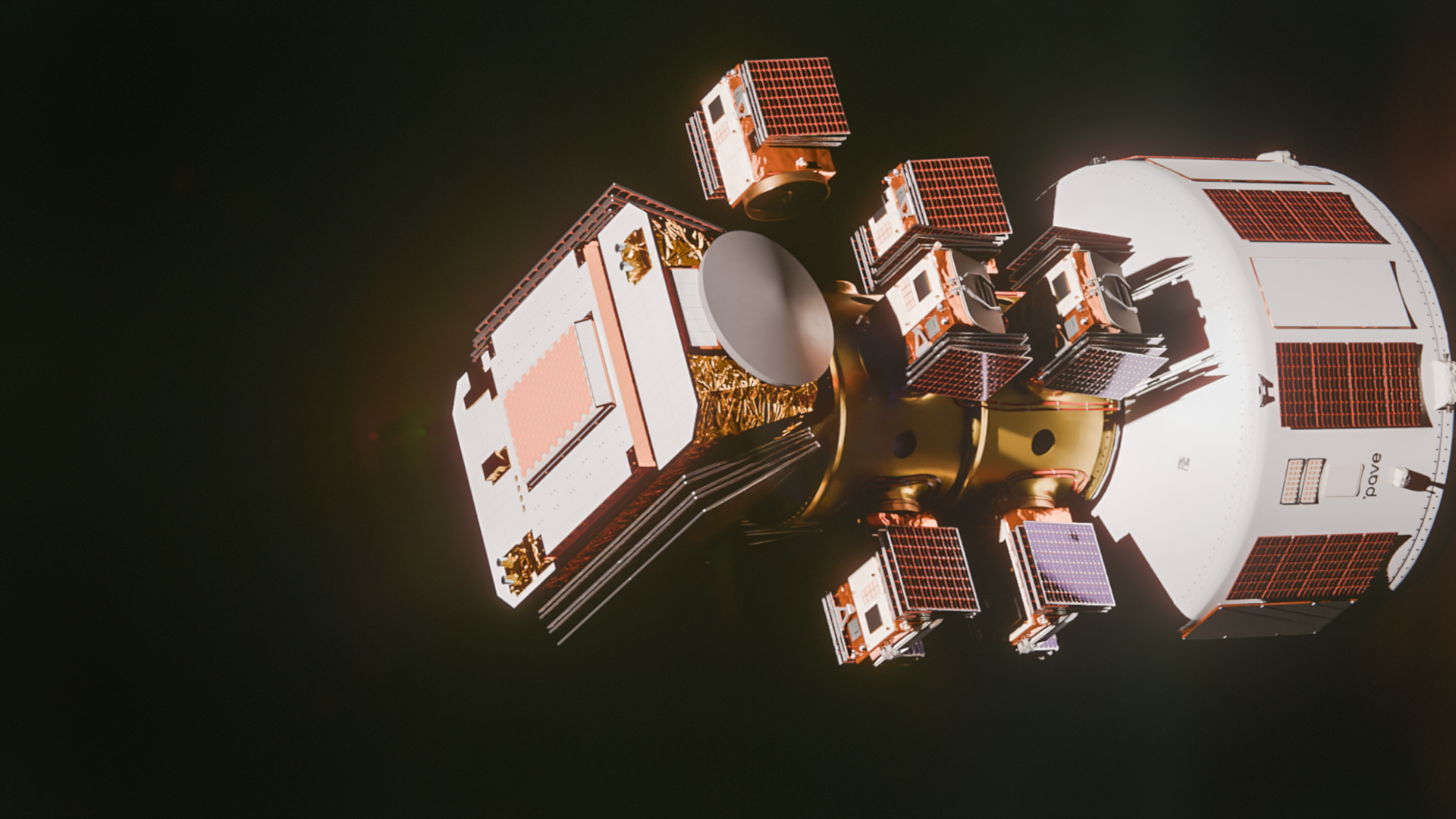
PAVE addresses this bottleneck with a new class of orbital transfer vehicles. Its kickstage transports satellites from LEO to their final operational orbit in less than 24 hours, fundamentally improving mission timelines and economics.
What emerges is a different model, where launch is only the first step and in-orbit mobility becomes a critical layer of infrastructure.
A New Infrastructure Layer in Space
PAVE’s platform effectively decouples launch from final orbit. Satellites no longer need to be constrained by the limitations of the launch vehicle or their own propulsion systems. Instead, they can rely on a dedicated mobility layer that is faster, more flexible, and more efficient.
This shift has far-reaching implications. It enables new mission profiles, increases operational flexibility, and introduces a level of responsiveness that has historically been absent in space. It also creates the foundation for entirely new categories of in-orbit services.
Just as importantly, PAVE’s system is designed to operate across different launch providers. This launcher-agnostic approach introduces flexibility into a market that has traditionally been defined by tight coupling between payload and launch system.
The company’s long-term ambition is to become the logistics backbone of the global space economy, enabling spacecraft and industries to operate seamlessly across Earth orbit, lunar missions, and beyond.
A Strategic Capability for Europe’s Sovereign Space Ambitions
PAVE’s positioning is particularly compelling in a European context.
Despite operating a significant share of the world’s satellite infrastructure, Europe currently lacks an independent solution for high-speed orbital mobility. At the same time, sovereign capabilities in space are moving to the top of the political and strategic agenda. Governments across the continent are increasing investment in both space and defense, with a clear focus on reducing dependency on non-European systems.
Within this landscape, orbital mobility is emerging as a critical capability.
PAVE is building what is effectively the first European solution of its kind. This creates a unique combination of commercial opportunity and strategic relevance. Satellite operators, institutional customers, and defense organizations all face the same underlying constraint, and increasingly, they are looking for solutions that are both technologically competitive and politically aligned.
Serving Both Commercial and Defense Missions
PAVE is not only addressing the commercial satellite market, where demand for faster and more cost-efficient deployment is growing rapidly. It also builds capabilities that are directly relevant for defense and institutional use cases, including responsive missions and in-orbit maneuvering. These two markets are driven by different dynamics but share a common underlying need for mobility.
The result is a business that benefits from both long-term structural growth in the commercial space economy and near-term demand driven by geopolitical priorities. This combination creates resilience and expands the company’s strategic relevance.
A New Generation of European Space Engineers
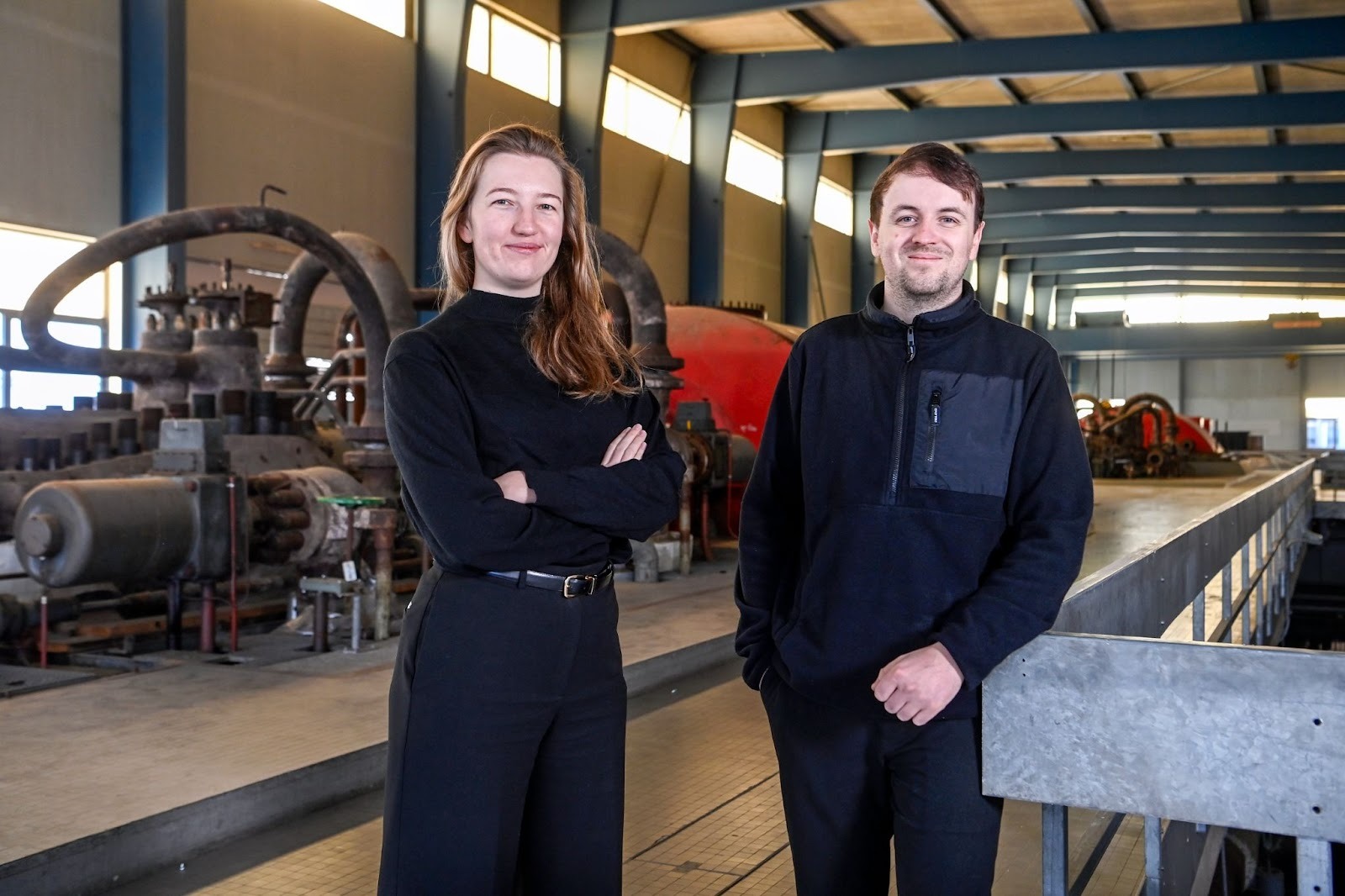
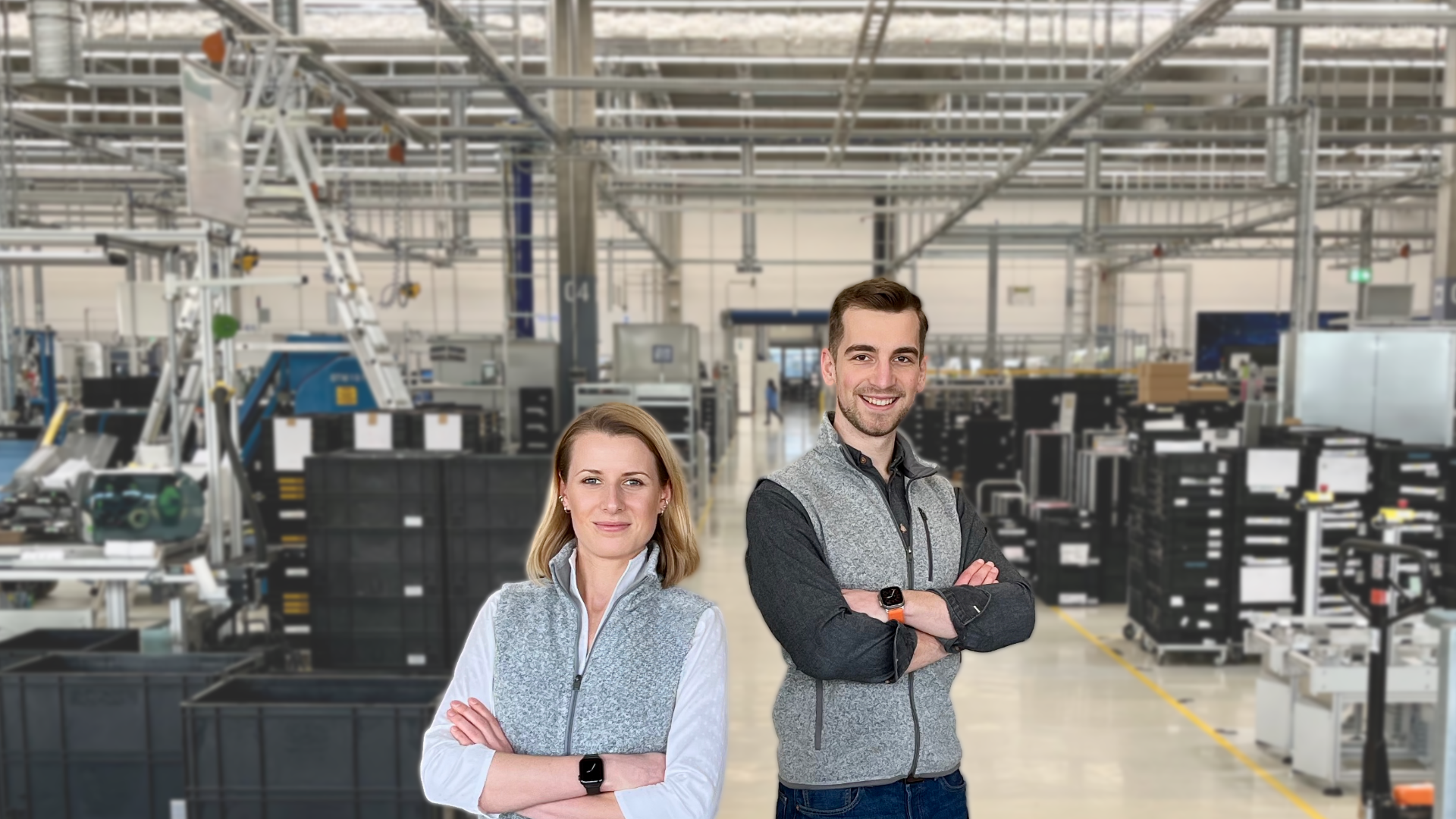
Julie Böhning and Jérémy Marciacq previously co-founded the Gruyère Space Program, the first European reusable rocket initiative. With just CHF 250k in sponsorship funding, the team designed and built a reusable rocket demonstrator that completed 53 test flights in 2024.
What impressed us most is their approach to execution. The team operates with a clear focus on speed, iteration, and full-stack ownership. Propulsion, avionics, and control systems are developed in-house, allowing for tight integration and rapid learning cycles. Within a short period of time, they have moved from concept to testing, secured dedicated infrastructure, and prepared for their first in-space demonstration.
In a field where timelines are often measured in decades, this pace matters.
Why We Invested
At b2venture, we invest in companies building foundational infrastructure in large, evolving markets. PAVE represents exactly that.
The company addresses a clear bottleneck in the space economy by enabling efficient in-orbit mobility, at the intersection of commercial demand and strategic necessity. We believe the next phase of the space economy will be defined not just by access to orbit, but by the ability to operate within it. PAVE is building the system that makes that possible.
We are proud to partner with PAVE Space in its USD 40m seed round, led by Visionaries Club and Creandum, alongside a strong group of leading European investors, and are excited to support Julie, Jérémy, and the entire team on this journey.
The space economy is entering a new phase.
Over the past decade, the cost of getting to orbit has fallen dramatically. Launch has become more frequent, more reliable, and more accessible. But as is often the case when one constraint disappears, another emerges.
Today, the bottleneck is no longer reaching space. It is moving within it.
PAVE Space is building the infrastructure to remove that constraint.
Solving the Logistics Bottleneck in Orbit
The current architecture of space missions is optimized for launch, not for operations. Rockets deliver satellites to low Earth orbit (LEO), but not to where they ultimately need to operate.
As a result, satellites destined for higher-energy orbits must rely on their own propulsion systems to complete the journey, a process that can take months and delay time to revenue.
PAVE addresses this bottleneck with a new class of orbital transfer vehicles. Its kickstage transports satellites from LEO to their final operational orbit in less than 24 hours, fundamentally improving mission timelines and economics.
What emerges is a different model, where launch is only the first step and in-orbit mobility becomes a critical layer of infrastructure.
A New Infrastructure Layer in Space
PAVE’s platform effectively decouples launch from final orbit. Satellites no longer need to be constrained by the limitations of the launch vehicle or their own propulsion systems. Instead, they can rely on a dedicated mobility layer that is faster, more flexible, and more efficient.
This shift has far-reaching implications. It enables new mission profiles, increases operational flexibility, and introduces a level of responsiveness that has historically been absent in space. It also creates the foundation for entirely new categories of in-orbit services.
Just as importantly, PAVE’s system is designed to operate across different launch providers. This launcher-agnostic approach introduces flexibility into a market that has traditionally been defined by tight coupling between payload and launch system.
The company’s long-term ambition is to become the logistics backbone of the global space economy, enabling spacecraft and industries to operate seamlessly across Earth orbit, lunar missions, and beyond.
A Strategic Capability for Europe’s Sovereign Space Ambitions
PAVE’s positioning is particularly compelling in a European context.
Despite operating a significant share of the world’s satellite infrastructure, Europe currently lacks an independent solution for high-speed orbital mobility. At the same time, sovereign capabilities in space are moving to the top of the political and strategic agenda. Governments across the continent are increasing investment in both space and defense, with a clear focus on reducing dependency on non-European systems.
Within this landscape, orbital mobility is emerging as a critical capability.
PAVE is building what is effectively the first European solution of its kind. This creates a unique combination of commercial opportunity and strategic relevance. Satellite operators, institutional customers, and defense organizations all face the same underlying constraint, and increasingly, they are looking for solutions that are both technologically competitive and politically aligned.
Serving Both Commercial and Defense Missions
PAVE is not only addressing the commercial satellite market, where demand for faster and more cost-efficient deployment is growing rapidly. It also builds capabilities that are directly relevant for defense and institutional use cases, including responsive missions and in-orbit maneuvering. These two markets are driven by different dynamics but share a common underlying need for mobility.
The result is a business that benefits from both long-term structural growth in the commercial space economy and near-term demand driven by geopolitical priorities. This combination creates resilience and expands the company’s strategic relevance.
A New Generation of European Space Engineers
Julie Böhning and Jérémy Marciacq previously co-founded the Gruyère Space Program, the first European reusable rocket initiative. With just CHF 250k in sponsorship funding, the team designed and built a reusable rocket demonstrator that completed 53 test flights in 2024.
What impressed us most is their approach to execution. The team operates with a clear focus on speed, iteration, and full-stack ownership. Propulsion, avionics, and control systems are developed in-house, allowing for tight integration and rapid learning cycles. Within a short period of time, they have moved from concept to testing, secured dedicated infrastructure, and prepared for their first in-space demonstration.
In a field where timelines are often measured in decades, this pace matters.
Why We Invested
At b2venture, we invest in companies building foundational infrastructure in large, evolving markets. PAVE represents exactly that.
The company addresses a clear bottleneck in the space economy by enabling efficient in-orbit mobility, at the intersection of commercial demand and strategic necessity. We believe the next phase of the space economy will be defined not just by access to orbit, but by the ability to operate within it. PAVE is building the system that makes that possible.
We are proud to partner with PAVE Space in its USD 40m seed round, led by Visionaries Club and Creandum, alongside a strong group of leading European investors, and are excited to support Julie, Jérémy, and the entire team on this journey.







.png)
.jpg)



.jpg)
.jpg)
.jpg)











.png)


.jpg)
-min.png)


.jpg)


.jpg)