

Giving Back Is Not Optional: A Conversation with Nicole Herzog
Giving Back Is Not Optional: A Conversation with Nicole Herzog
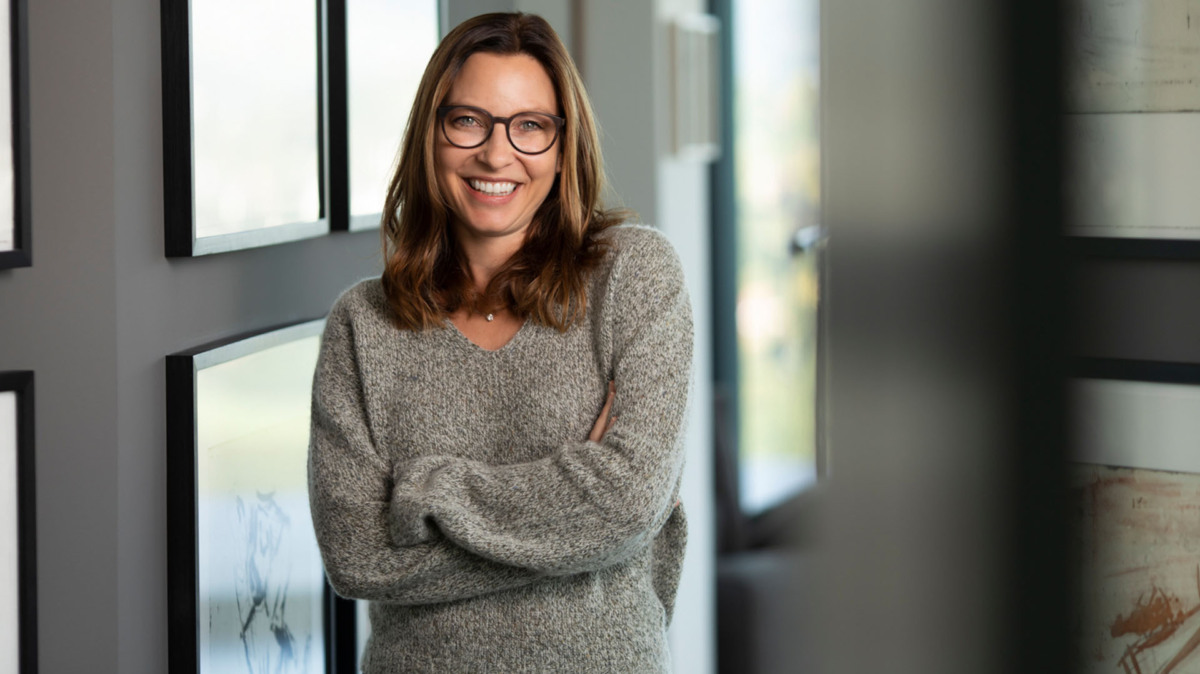
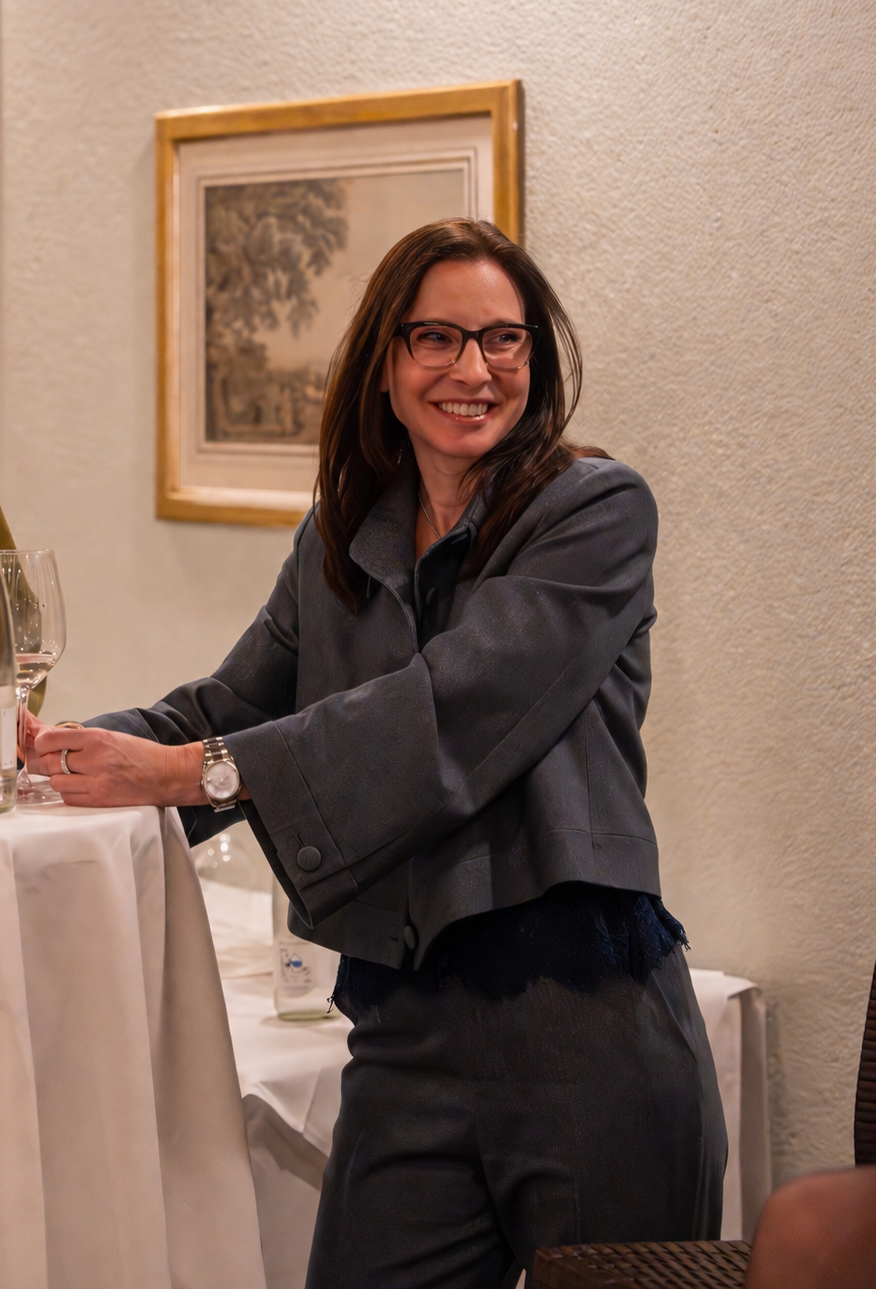
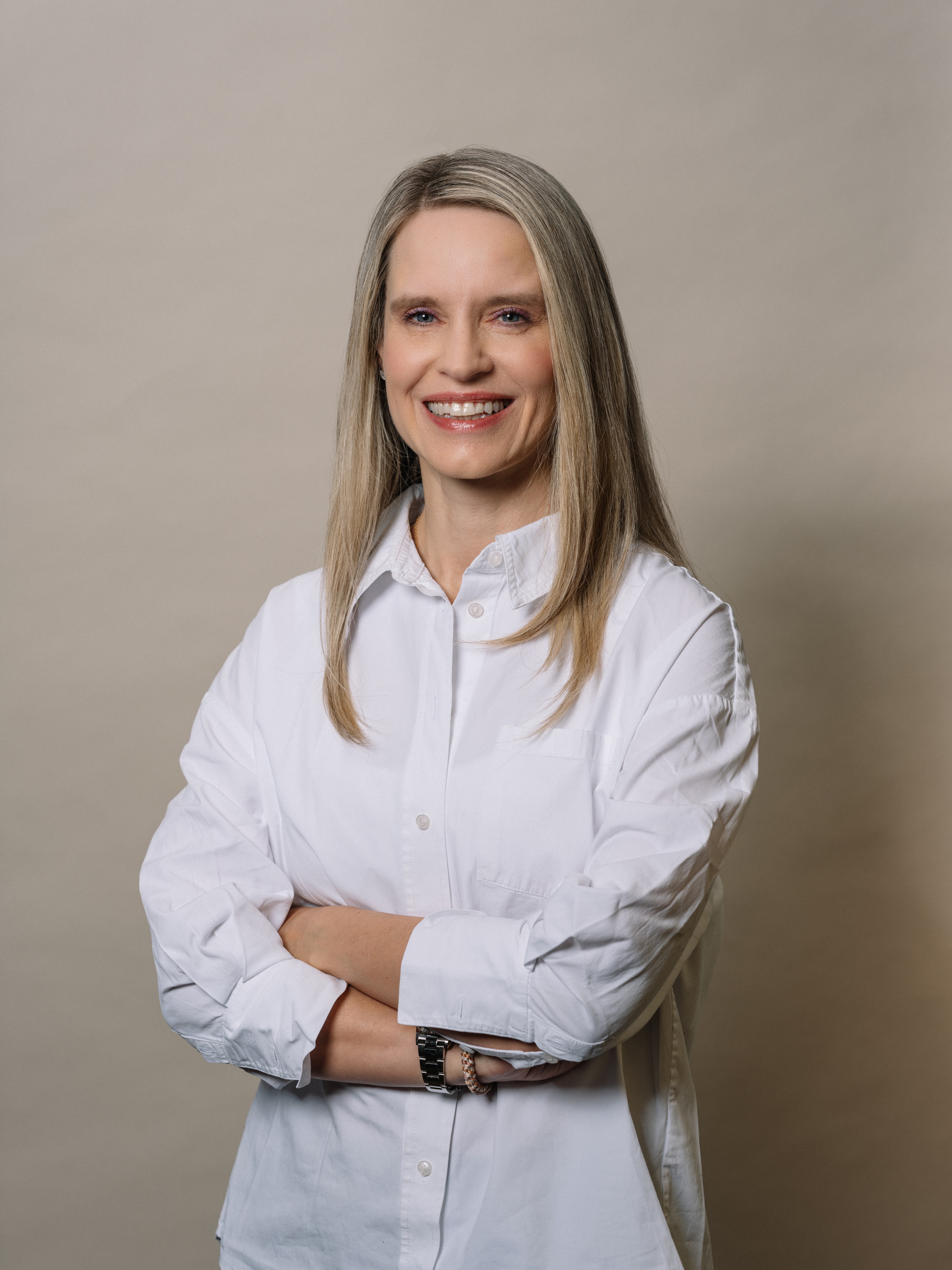
As a co-founder, Nicole Herzog has been part of b2venture's story from the very beginning. Since then, she's been one of Europe's most active angel investors – and this June, the Swiss Private Equity & Corporate Finance Association (SECA) named her Business Angel of the Year 2026.
Our partner Dr. Friederike Hoffmann sat down with her to talk about what the award means, why she thinks of herself as "an entrepreneur without a company," and why she believes the health of the entire innovation ecosystem depends on people like her giving back.
The Invisible Work of Angel Investing
FH: What does this award mean to you, and what does it tell us about the role of angel investing in the Swiss ecosystem?
NH: For me, the SECA award is meaningful because it gives recognition to a part of the work that often stays invisible. Investing in start-ups gives you fairly binary feedback. It works or it doesn't. But the other part of angel investing, the mentoring, the bridge-building, the support behind the scenes, is much harder to see from the outside. I feel its impact in the relationships with the founders I work with, but it rarely gets public attention.
That matters to me because this work should not be associated with one person. It should become part of how the ecosystem understands angel investing. The more we talk about it, the more we may inspire others to contribute in the same way.
For me, giving back is not optional. An ecosystem only works as a circuit, not as a one-way flow.
What Founders Get From a Founder-Turned-Investor
FH: What can a founder-turned-investor offer that a purely financial investor never could?
NH: A founder-turned-investor brings a different kind of credibility. I have a lot of respect for founders because I know what it means to build something from scratch. There is a difference between looking at a company through a financial lens and having lived the uncertainty, the pressure, the mistakes, and the responsibility yourself.
That does not make one perspective right and the other wrong. But founders often find it easier to take advice from someone who has actually been there. Experience doesn't replace financial expertise, but it brings a kind of trust and realism that is difficult to have if you've only ever looked at companies from the outside.
Why Angel Networks Are Crucial
FH: You co-founded b2venture and still invest through it today. What's stayed the same, and what's changed?
NH: What has stayed the same is what I still love most: the angel network itself. The wisdom of the crowd, even if the crowd is not huge. I value the exchange with other angels. They are my peers. There are not that many of us, so being able to compare notes is genuinely valuable. Not only on investment opportunities, but also on entrepreneurial and operational questions. We all benefit from a community where that kind of shared learning can happen.
What has changed is that the industry has professionalized enormously. When we started in 2000, we were first movers in a market that barely existed in Switzerland. Today, there is much more structure, more capital, and more professionalism.
That is a good thing. But professionalization can also create distance. The angel network of b2venture keeps it personal. It gives startups access to experience and expertise, and it puts a face on the money.
Beyond the Check: Adding Value for Founders
FH: You follow your investments across several rounds. Beyond the capital, where do you add the most value after that? As a sparring partner, on governance, through your network?
NH: I am hands-on. Founders can call me about almost anything, whether it is access, customer questions, financing, or something else that suddenly becomes urgent. It is not always structured, but the challenges founders face rarely are.
I am rarely the largest capital provider in a round. But I try to be a steady one. That means staying close, staying useful, and supporting the company beyond the first investment.
Markets and Industries Beyond Playbooks
FH: Are you a generalist, or do you focus on specific sectors?
NH: Neither, really. And I tell people not to invest the way I do.
I am not focused on one specific sector. I am drawn to what is genuinely new. Industries or markets where there is no playbook yet. The hundredth AI startup does not interest me as much as pioneering work does.
When we started investing, there were no playbooks. And for me, that is very close to the essence of entrepreneurship: figuring out the next step without a recipe to follow.
That is also why space has become such an important part of my work. It is the ultimate frontier.
Backing Female Founders
FH: You're known for backing female founders. What still needs to happen for that to stop being remarkable?
NH: The distribution is still nowhere near where it should be. And part of the problem is very simple: there are still too few female partners at VC funds – full stop.
Investing, for me, is not only about capital. It is also about time, and that is actually a big part of my work. When a female founder reaches out, I try to respond. There were no obvious role models for women like me when I started, and I know how much it can matter when someone understands the world you are trying to navigate.
I want to encourage the courage to reach out. I cannot always invest financially, but I can invest time. And I wish more people would.
Board Members in Early-Stage Companies
FH: What makes a good board member for an early-stage company?
NH: For an early-stage company, I would look first for entrepreneurial experience. At that stage, the company needs people who understand what it means to build something with limited resources and constant pressure. Fundraising experience is part of that. A good board should understand how investors think, which KPIs matter, and how to help the company become fundable for the next round.
Later, exit and M&A experience become important. These are disciplines of their own, and they start much earlier than the transaction itself. But in the early phase, the board needs to help the company get to the next proof point, with enough credibility to finance what comes after.
Driving the European Angel Ecosystem
FH: What does the European angel ecosystem actually need to mobilize more private capital?
NH: Time, mostly. And maturity.
The US ecosystem has had decades more to build the kind of critical mass that makes angel investing a normal part of the entrepreneurial cycle. You need a certain number of successful exits before the flywheel really starts turning. Founders become angels. Angels become lead investors. Experience and capital start circulating back into the system.
What worries me in Europe is that fewer people seem willing to take the lead in a round. That is a real problem. If experienced angels no longer lead, where does that leadership come from?
Leading is work. It means taking responsibility, negotiating, doing the due diligence, and putting yourself out there. It also means being visible when the investment does not work out. But that is exactly why it matters. If we do not strengthen that layer in Europe, the whole ecosystem suffers long-term.
Looking Ahead
FH: If this award inspires one thing, what would you want it to be?
NH: I would want more successful entrepreneurs to reinvest in the ecosystem, and not only financially.
And honestly, I would like more women to invest. I would like to demystify angel investing and move it away from being seen as purely about money. Behind the capital are faces, stories, experience, and responsibility. There is so much more to it than the financial side.
FH: Thank you, Nicole – for your time, your honesty, and for showing what it really looks like to give back. Congratulations again on the award.
As a co-founder, Nicole Herzog has been part of b2venture's story from the very beginning. Since then, she's been one of Europe's most active angel investors – and this June, the Swiss Private Equity & Corporate Finance Association (SECA) named her Business Angel of the Year 2026.
Our partner Dr. Friederike Hoffmann sat down with her to talk about what the award means, why she thinks of herself as "an entrepreneur without a company," and why she believes the health of the entire innovation ecosystem depends on people like her giving back.
The Invisible Work of Angel Investing
FH: What does this award mean to you, and what does it tell us about the role of angel investing in the Swiss ecosystem?
NH: For me, the SECA award is meaningful because it gives recognition to a part of the work that often stays invisible. Investing in start-ups gives you fairly binary feedback. It works or it doesn't. But the other part of angel investing, the mentoring, the bridge-building, the support behind the scenes, is much harder to see from the outside. I feel its impact in the relationships with the founders I work with, but it rarely gets public attention.
That matters to me because this work should not be associated with one person. It should become part of how the ecosystem understands angel investing. The more we talk about it, the more we may inspire others to contribute in the same way.
For me, giving back is not optional. An ecosystem only works as a circuit, not as a one-way flow.
What Founders Get From a Founder-Turned-Investor
FH: What can a founder-turned-investor offer that a purely financial investor never could?
NH: A founder-turned-investor brings a different kind of credibility. I have a lot of respect for founders because I know what it means to build something from scratch. There is a difference between looking at a company through a financial lens and having lived the uncertainty, the pressure, the mistakes, and the responsibility yourself.
That does not make one perspective right and the other wrong. But founders often find it easier to take advice from someone who has actually been there. Experience doesn't replace financial expertise, but it brings a kind of trust and realism that is difficult to have if you've only ever looked at companies from the outside.
Why Angel Networks Are Crucial
FH: You co-founded b2venture and still invest through it today. What's stayed the same, and what's changed?
NH: What has stayed the same is what I still love most: the angel network itself. The wisdom of the crowd, even if the crowd is not huge. I value the exchange with other angels. They are my peers. There are not that many of us, so being able to compare notes is genuinely valuable. Not only on investment opportunities, but also on entrepreneurial and operational questions. We all benefit from a community where that kind of shared learning can happen.
What has changed is that the industry has professionalized enormously. When we started in 2000, we were first movers in a market that barely existed in Switzerland. Today, there is much more structure, more capital, and more professionalism.
That is a good thing. But professionalization can also create distance. The angel network of b2venture keeps it personal. It gives startups access to experience and expertise, and it puts a face on the money.
Beyond the Check: Adding Value for Founders
FH: You follow your investments across several rounds. Beyond the capital, where do you add the most value after that? As a sparring partner, on governance, through your network?
NH: I am hands-on. Founders can call me about almost anything, whether it is access, customer questions, financing, or something else that suddenly becomes urgent. It is not always structured, but the challenges founders face rarely are.
I am rarely the largest capital provider in a round. But I try to be a steady one. That means staying close, staying useful, and supporting the company beyond the first investment.
Markets and Industries Beyond Playbooks
FH: Are you a generalist, or do you focus on specific sectors?
NH: Neither, really. And I tell people not to invest the way I do.
I am not focused on one specific sector. I am drawn to what is genuinely new. Industries or markets where there is no playbook yet. The hundredth AI startup does not interest me as much as pioneering work does.
When we started investing, there were no playbooks. And for me, that is very close to the essence of entrepreneurship: figuring out the next step without a recipe to follow.
That is also why space has become such an important part of my work. It is the ultimate frontier.
Backing Female Founders
FH: You're known for backing female founders. What still needs to happen for that to stop being remarkable?
NH: The distribution is still nowhere near where it should be. And part of the problem is very simple: there are still too few female partners at VC funds – full stop.
Investing, for me, is not only about capital. It is also about time, and that is actually a big part of my work. When a female founder reaches out, I try to respond. There were no obvious role models for women like me when I started, and I know how much it can matter when someone understands the world you are trying to navigate.
I want to encourage the courage to reach out. I cannot always invest financially, but I can invest time. And I wish more people would.
Board Members in Early-Stage Companies
FH: What makes a good board member for an early-stage company?
NH: For an early-stage company, I would look first for entrepreneurial experience. At that stage, the company needs people who understand what it means to build something with limited resources and constant pressure. Fundraising experience is part of that. A good board should understand how investors think, which KPIs matter, and how to help the company become fundable for the next round.
Later, exit and M&A experience become important. These are disciplines of their own, and they start much earlier than the transaction itself. But in the early phase, the board needs to help the company get to the next proof point, with enough credibility to finance what comes after.
Driving the European Angel Ecosystem
FH: What does the European angel ecosystem actually need to mobilize more private capital?
NH: Time, mostly. And maturity.
The US ecosystem has had decades more to build the kind of critical mass that makes angel investing a normal part of the entrepreneurial cycle. You need a certain number of successful exits before the flywheel really starts turning. Founders become angels. Angels become lead investors. Experience and capital start circulating back into the system.
What worries me in Europe is that fewer people seem willing to take the lead in a round. That is a real problem. If experienced angels no longer lead, where does that leadership come from?
Leading is work. It means taking responsibility, negotiating, doing the due diligence, and putting yourself out there. It also means being visible when the investment does not work out. But that is exactly why it matters. If we do not strengthen that layer in Europe, the whole ecosystem suffers long-term.
Looking Ahead
FH: If this award inspires one thing, what would you want it to be?
NH: I would want more successful entrepreneurs to reinvest in the ecosystem, and not only financially.
And honestly, I would like more women to invest. I would like to demystify angel investing and move it away from being seen as purely about money. Behind the capital are faces, stories, experience, and responsibility. There is so much more to it than the financial side.
FH: Thank you, Nicole – for your time, your honesty, and for showing what it really looks like to give back. Congratulations again on the award.

The Author





.png)
.jpg)




.jpg)
.jpg)
.jpg)










.png)


.jpg)
-min.png)


.jpg)


.jpg)