

Why We Invested In Asynchronics
Why We Invested In Asynchronics
Engineers building satellites, robots, and other complex physical systems need to know how the whole system will behave before they can put it to work. Individual components may perform as expected, yet problems emerge when hardware, software, and operating conditions come together. Finding those problems early can save months of rework and prevent failures that could put an entire mission at risk.
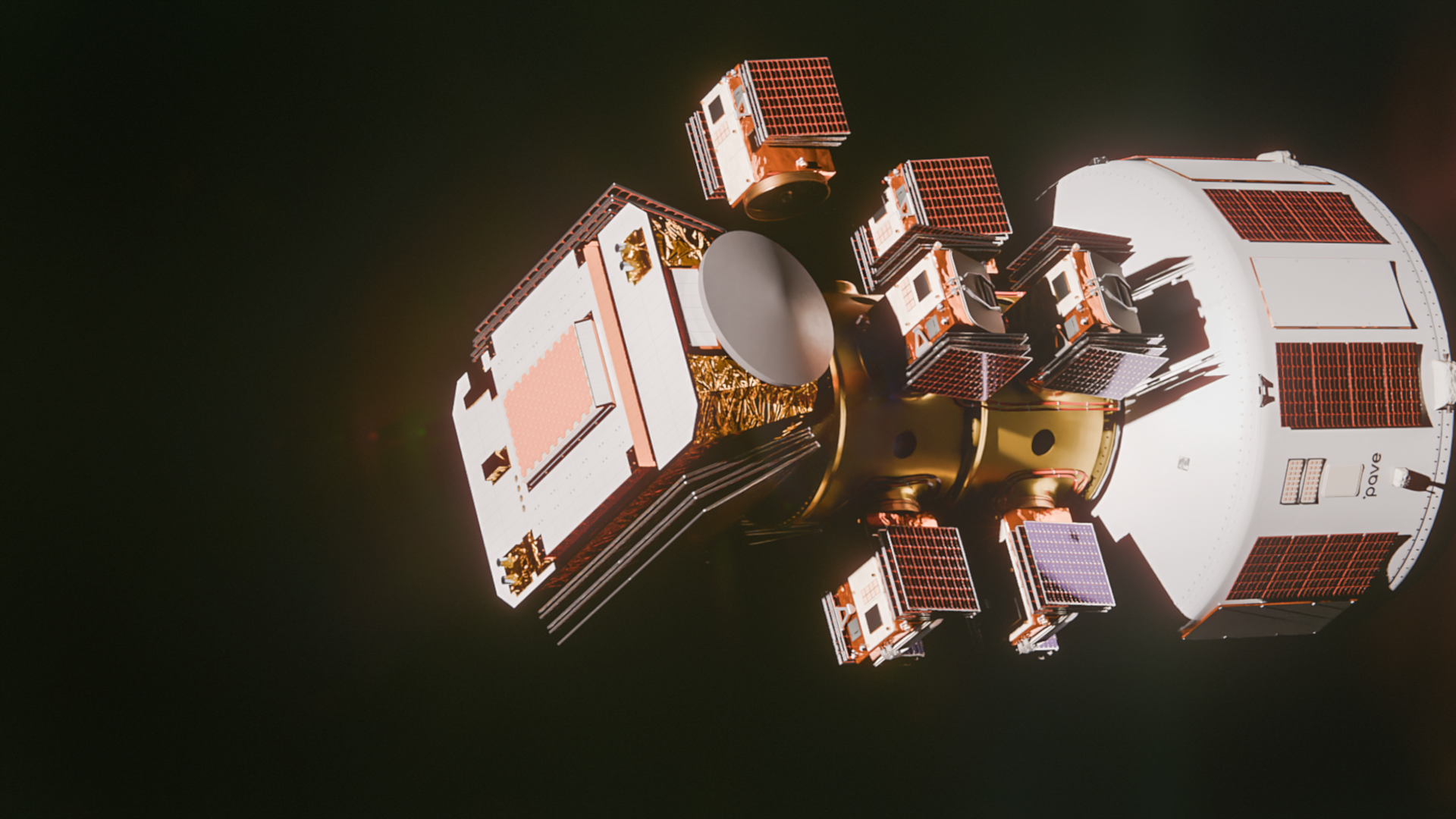
Asynchronics is building simulation software that allows engineers to test these interactions before all physical components are available. We invested because the company combines deep engineering experience with an open-source approach to simulation and a vision for making component models reusable across projects.
Testing before the hardware is ready
Testing complex systems has always been difficult. Engineers often need to make design decisions while hardware is still being developed, with limited opportunities to test how the complete system will behave.
Asynchronics lets them model and test system behavior at this stage. Teams can investigate interactions, identify problems, and revise designs before physical integration begins. For customers, the value is concrete: fewer surprises when the hardware arrives and more time to resolve issues before deployment.
Building trust through open source
When a wrong assumption can put an entire mission at risk, engineers need to understand how a simulation works and where its limitations lie.
Asynchronics’ open-source engine allows them to do so. They can inspect it, test it against their own requirements, and extend it for their applications. We see this ability to examine and test the engine as an important foundation for earning engineers’ trust and driving adoption.
A team with firsthand experience
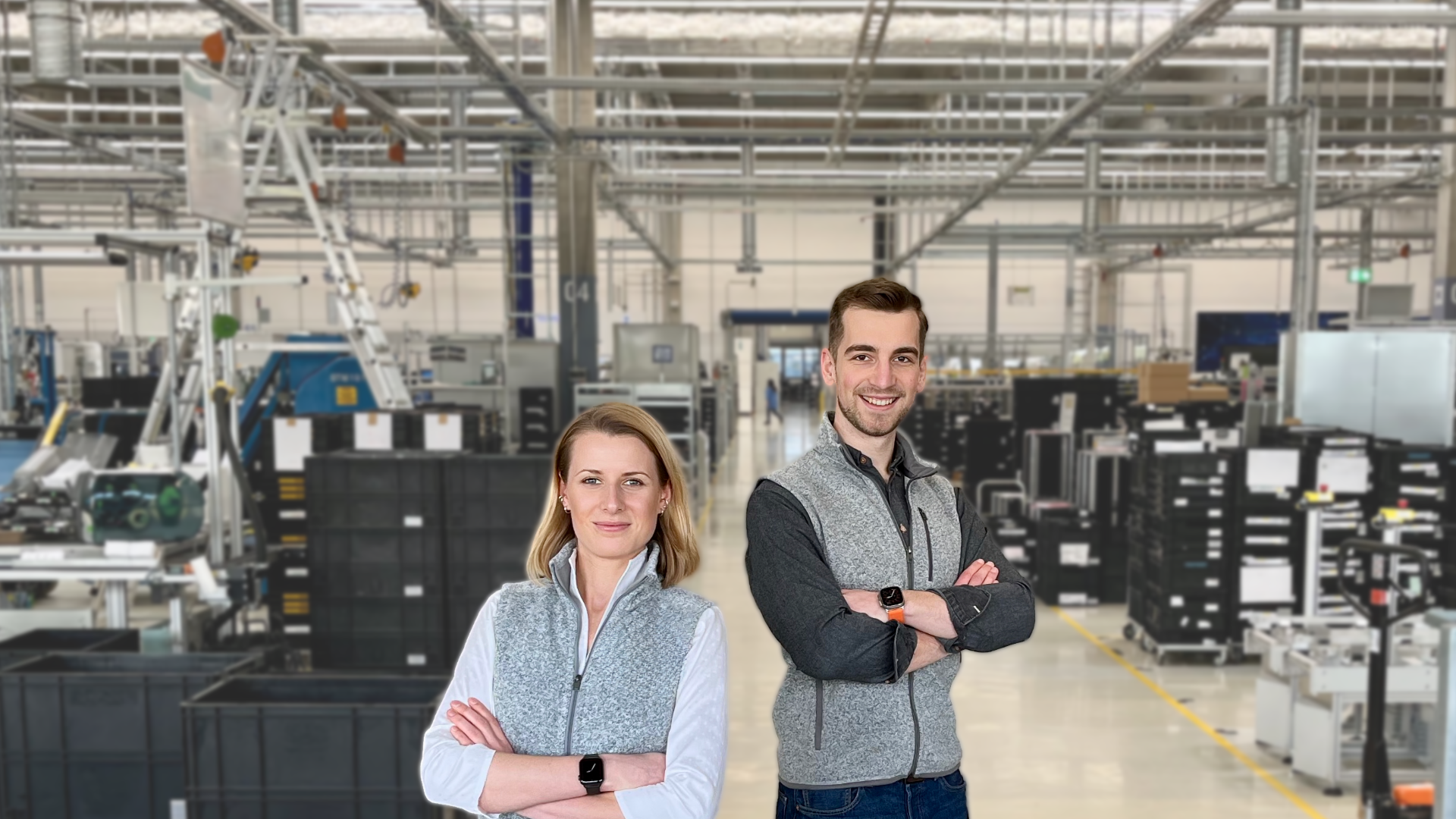
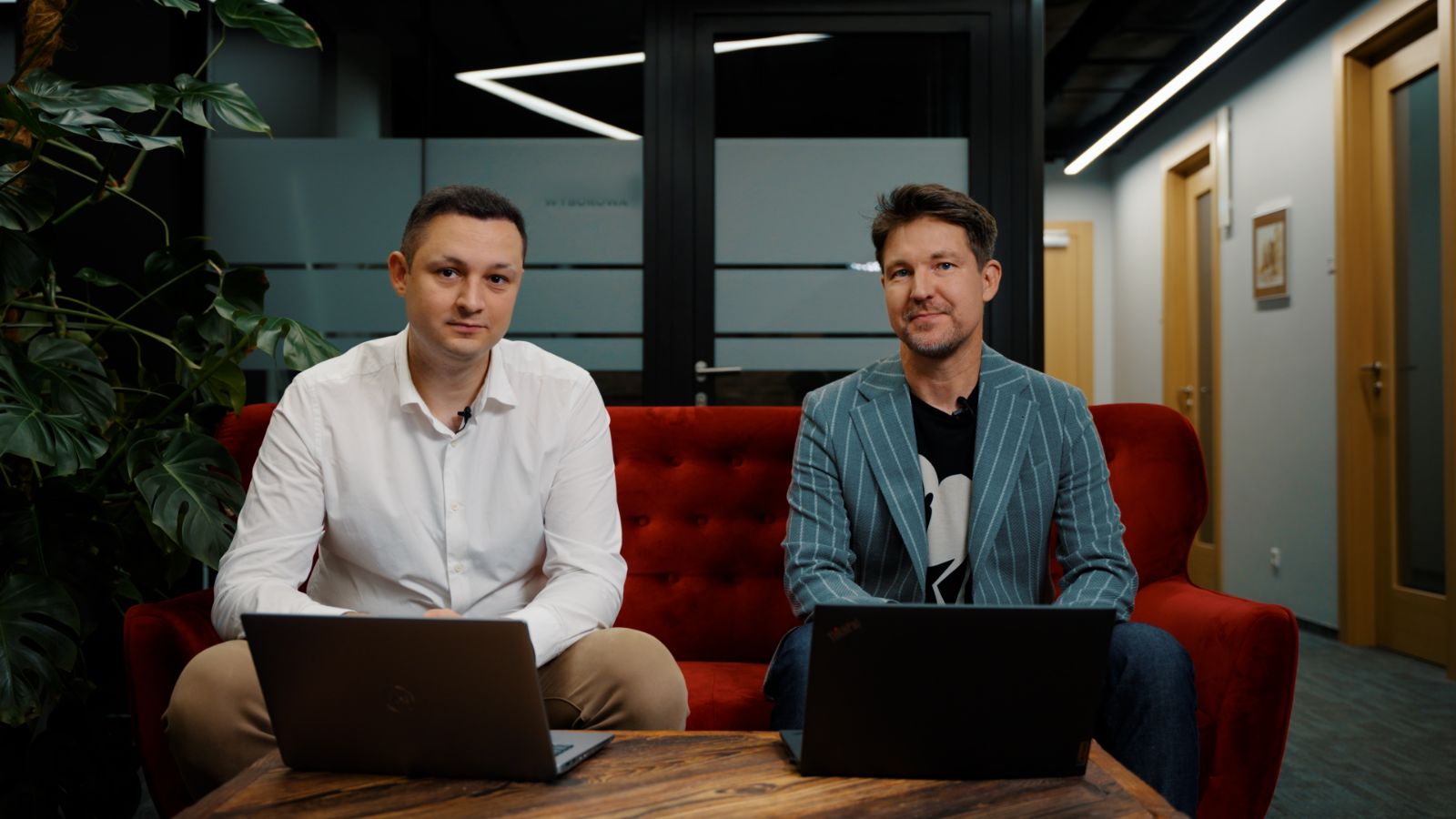
Founders Serge Barral and Adam Chikha bring decades of experience in space engineering and simulation. Serge, CTO, has spent over 20 years in space, holds a PhD in space propulsion, and previously led R&D at an Airbus joint venture. Adam, CEO, brings over 10 years in space and defense, including roles at Airbus and as simulation lead at Metrea.
Their experience matters both for the product they are building and for the confidence engineers can place in the team behind it. They have worked in the environments their customers operate in and understand the demands placed on simulation software.
Space as a proving ground
Space is a natural starting point for Asynchronics. The founders know the industry firsthand, and it is one of the most demanding environments to engineer for: opportunities to repair hardware after launch are limited, and an integration failure can put an entire mission at risk.
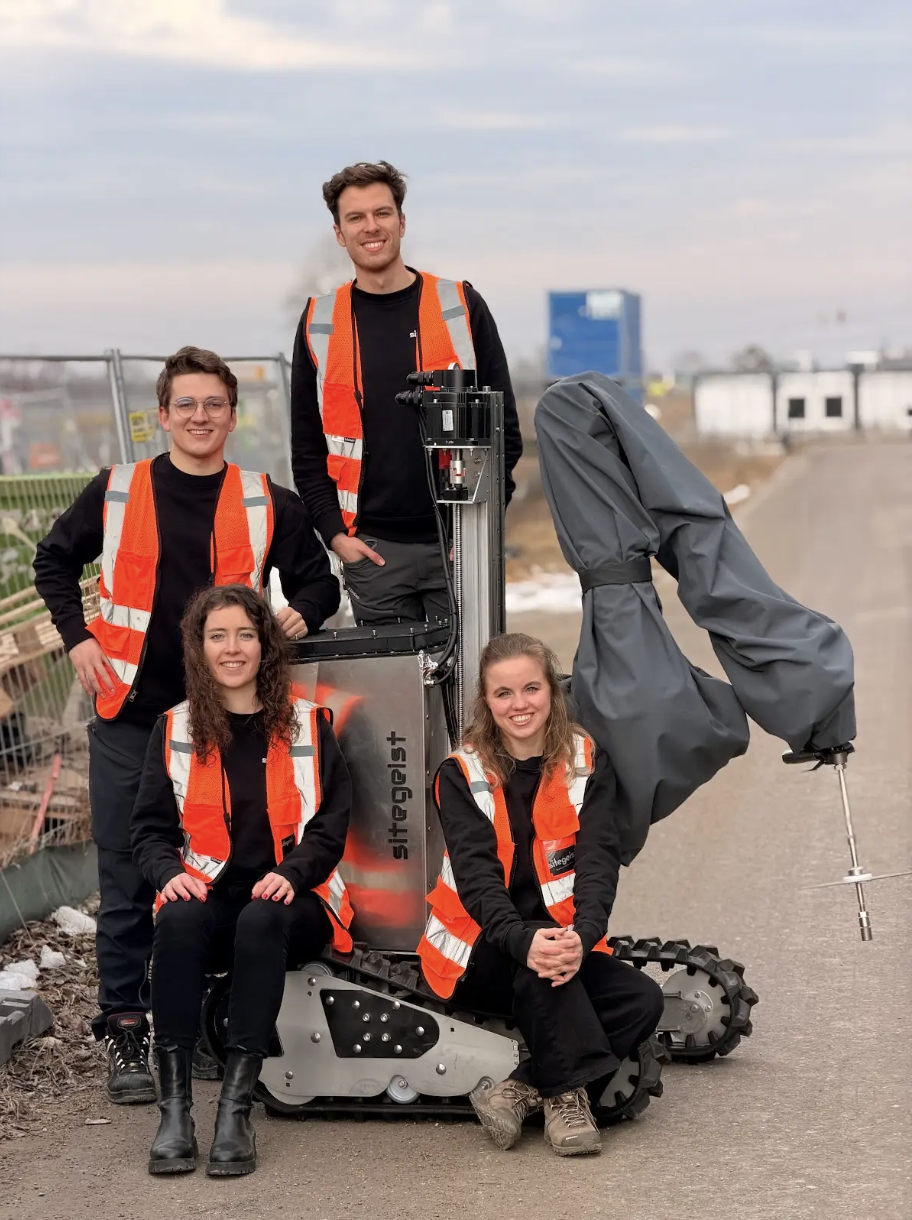
We believe building for these requirements from the outset can provide a strong foundation for expansion into robotics and other complex physical systems. Those industries have their own demands, but engineers face similar questions about how hardware and software behave together.
Making engineering work reusable
Engineering teams often build or adapt component models for individual projects. Yet that work often stays within a single project, leaving other teams to build models of the same hardware again. Asynchronics’ marketplace aims to make existing models available to others, so teams can build on work that has already been done.
Previous use can also help engineers assess a model. Documented tests, known limitations, and experience from earlier projects give teams a basis for deciding whether it fits their own application, while manufacturers could make their components easier to evaluate and integrate. Engineering teams could spend less time recreating models, while manufacturers could make their components easier to evaluate and integrate.
We backed Adam and Serge because they understand both the engineering challenge and what it takes to earn engineers’ trust. Their approach combines an open simulation engine with a vision for models that become more useful as teams test, improve, and reuse them. We see the potential to turn work done for individual projects into a shared foundation for developing complex physical systems, in space and beyond.

The Author
Team